 SIGN-UP FOR THE MHPS NEWSLETTER!







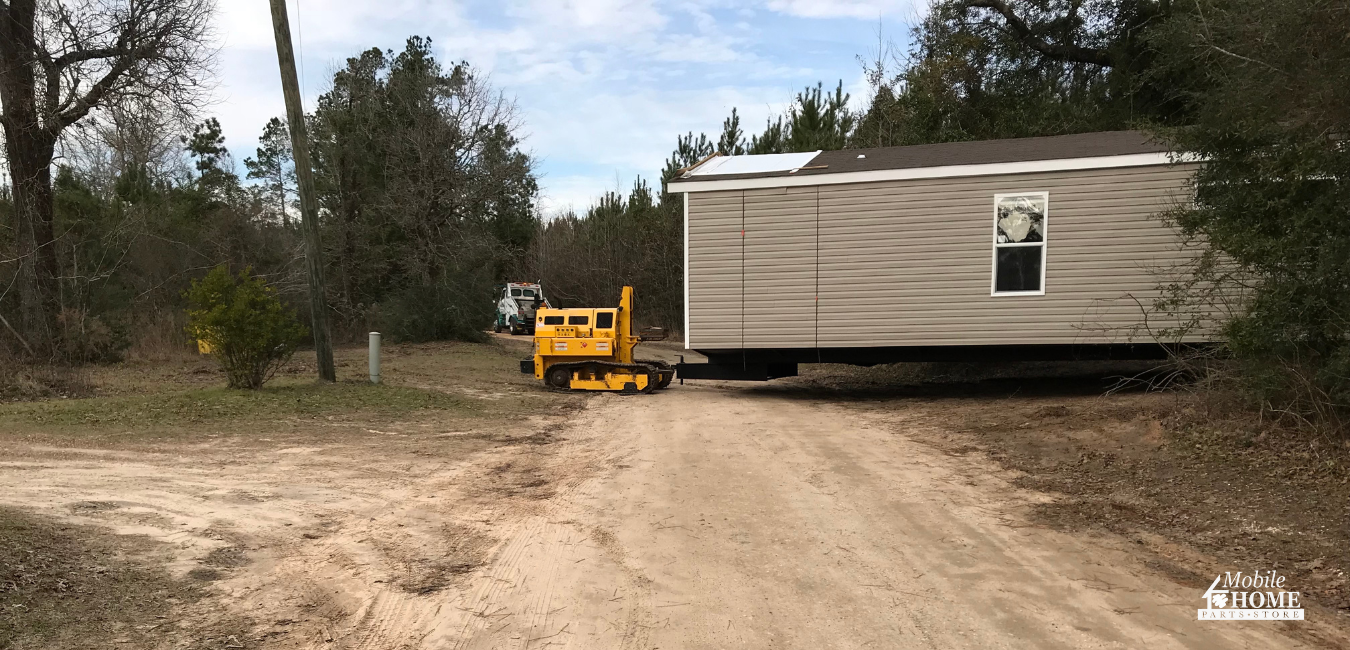
When high winds pick up, it helps to know what’s keeping your home steady.
If you live in a manufactured home, chances are you’re already familiar with tie-downs—or at least aware they exist. Maybe you’ve noticed the steel straps beneath a nearby home or brought them up during storm season planning. Either way, tie-downs are a critical part of protecting your home against shifting, sliding, or worse.
They may not be visible every day, but they’re doing important work underneath. In this guide, we’ll cover how tie-downs function, how wind zones factor into the setup, why proper installation and maintenance matter, and what to consider—whether you’re installing a new system or checking up on the one you already have.
What Tie-Downs Actually Do
Tie-downs are designed to keep manufactured homes from shifting, lifting, or toppling during high winds. Because these homes are lighter, elevated, and built on steel frames instead of full foundations, they’re especially vulnerable to uplift forces—particularly when skirting is missing or incomplete. Wind can pass beneath the home and create lift, like air under an airplane wing. Wind moving over the roof adds even more uplift.
Tie-downs work with anchors to counteract those forces. Vertical or over-the-top straps help resist uplift; diagonal or frame straps help resist both uplift and sideways (lateral) movement. When they’re correctly installed and tensioned, the home, frame, and tie-down system all work together as one.
Without properly installed and maintained tie-downs, even moderate wind can cause serious structural damage. It’s not just about securing the home—it’s about securing your investment, your safety, and your future.
A Closer Look at Tie-Down Types
Not all tie-downs are created equal. The system you use depends on your home’s age, construction, and the wind zone where it’s installed.
Over-the-Top Straps
These are the original tie-downs, visible as they wrap over the roof from one side of the home to the other. While they may not win style points, they’re effective.
- They are effective at resisting uplift, especially on older single-section homes.
- Roof protectors (sometimes called thimbles or roof brackets) are required where the strap crosses the roof edge so the strap doesn’t cut into roofing materials or trim.
They’re still used on some homes, but many newer models rely more on frame anchoring instead.
Concealed Over-the-Top Straps
A more modern approach hides the strap under the exterior siding or within the roof and wall assembly:
- The strap is installed behind the siding or roof edge during manufacturing.
- The loose end hangs below the home so it can be connected to an anchor.
You get the same uplift resistance with a cleaner look and less exposed hardware on the exterior.
Frame or Diagonal Straps
Frame or diagonal straps attach directly to the steel frame rails beneath the home and angle down into the ground anchors:
- This is the most common setup for double-wide homes and newer installations.
- Because they connect to the structural frame, they can be very efficient at resisting both uplift and lateral movement.
- They are typically installed at a specific angle away from vertical so they can “pull” against the anchor effectively instead of just straight up and down.
Every manufactured home leaves the factory with a tie-down and anchoring plan based on how it was built and the wind zone it’s rated for. That plan should always be your starting point.
Anchors Matter, But We’ll Keep This Part Short
Tie-downs only work as well as what they’re connected to. The straps are the link, but the anchor is what grips the ground (or slab) and resists pull-out when wind loads hit.
For this tie-down guide, the key point is simple: your strap layout and hardware ratings assume the anchors can meet the required holding strength. If an anchor is mismatched to the site conditions or isn’t installed to spec, the system can fail at the ground—even if the straps and frame connections look fine.
If you want the deeper breakdown on anchor types, soil considerations, and installation basics, keep those details in your anchor articles: How to Anchor Your Mobile Home and The Basics of Installing Mobile Home Anchors.
The Hardware That Holds It All Together
It’s not just the straps that matter. The hardware tying everything together is what keeps tension where it belongs.
A typical system includes:
- Hook-up and Tension Devices: Turnbuckles or other tensioning devices are used to connect the strap to the anchor and tighten the system. For most manufactured home installations, that means galvanized, drop-forged turnbuckles with welded or forged eyes (not hooks), sized at ½ inch or larger. Eye ends are far less likely to deform or slip under load than open hooks.
- Roof Protectors and Thimbles: If any strap passes over the roof edge, a roof protector spreads out the pressure and keeps sharp roof edges from cutting into the metal strap or cable. It also helps protect your roofing from long-term wear.
- Capacity and Ratings: All components—anchors, straps, cables, hookups, and attachment points on the home—should be rated for a working load of at least 3,150 lbs, with the ability to withstand a minimum ultimate load of 4,725 lbs. This is the benchmark many state and HUD-based designs assume when determining how many anchors and straps are needed along the length of the home.
Tie-downs can be either cable or flat steel strapping, but in every case, the hardware must be corrosion-resistant and approved for use on manufactured homes. The system is only as strong as its weakest part.
Wind Zones, Sizes & Standards
Depending on where you live, your manufactured home is built and installed to meet a specific HUD wind zone. These wind zones are part of the HUD Manufactured Home Construction and Safety Standards (often called the HUD Code, 24 CFR 3280) and help ensure homes are constructed and anchored for the wind conditions in their area.
Understanding Wind Zones I, II, and III
HUD divides the country into three basic wind zones:
- Wind Zone I: Covers most interior parts of the United States where hurricane-force winds are less common. Homes in this zone are built for lower design wind speeds and typically experience fewer extreme wind events.
- Wind Zone II: Applies to areas that are considered hurricane-prone and can see stronger storms, especially in parts of the Southeast and along certain inland coastal regions. Homes here are designed to handle higher wind pressures and often require more robust anchoring patterns.
- Wind Zone III: Includes coastal regions with the highest risk of hurricanes and severe storms, such as portions of Florida and the Gulf Coast. Homes in this zone are built to withstand the highest design wind speeds and require the most stringent anchoring and tie-down systems.
A home built for Wind Zone I cannot be placed in Zone II or Zone III, because it was not designed or tested for those higher wind loads. However, a home built to Zone III standards can be installed in Zones II or I. The wind zone rating is part of the home’s construction and is not practical to “upgrade” later.
You can usually find your home’s wind zone on the HUD data plate (often located inside a kitchen cabinet, bedroom closet, or near the electrical panel). It may also appear on the HUD certification label attached to the exterior.
How Wind Zone Affects Tie-Downs and Anchors
Your wind zone doesn’t just affect how the home is built at the factory—it also influences how many anchors and straps are required and how they’re spaced along the frame.
In general:
- Higher wind zones require more anchors and closer spacing.
The tie-down pattern for a Wind Zone III coastal installation will typically have more anchor points per side than the same home in Wind Zone I. - Anchor capacity and strap layout are designed together.
Many design tables for tie-downs are based on anchors rated for at least 3,150 lbs working load and 4,725 lbs ultimate load, with diagonal straps installed at a meaningful angle away from vertical so they can resist both uplift and lateral forces. - Home length matters.
The longer the home, the more tie-down points you will typically need along each side. For example, a short single-section home may need only a handful of vertical and diagonal straps per side, while a longer home in a higher wind zone could require significantly more.
Your manufacturer, installer, or local code office should have tables or approved designs that spell out how many tie-downs are required and where they must be located for your specific combination of home length, wind zone, and anchor rating. These tables are not suggestions—they’re part of meeting HUD and local code requirements.
Single-Section vs. Multi-Section Homes
Wind zone requirements also interact with the type of home you have:
- Single-wide (single-section) homes
These generally require both vertical (over-the-top) tie-downs and diagonal (frame) tie-downs, especially in older models. The vertical straps help clamp the home down against uplift, while diagonal straps help keep the frame from sliding or rolling. - Double-wide and multi-section homes
These are usually designed with frame or diagonal-only systems, relying on straps that connect directly to the steel frame rails and down to anchors. Over-the-top straps are less common on newer multi-section homes because their structure is built with additional bracing at the factory.
Regardless of home type, it’s important to consult your installation manual, your state’s installation standards, and local building and inspection requirements. Those documents are meant to be used together with the HUD Code (24 CFR 3280 and related installation standards) to determine exactly what your home needs to be properly anchored where you live.
The Installation Process: A Step-by-Step Snapshot
Installing a tie-down system isn’t guesswork. The sequence matters because each step affects how the next one performs.
1.) Level the Home
The home must be properly supported and level on piers or foundation blocks before any tie-downs are tensioned. A level structure distributes load evenly across straps and anchors and helps prevent one side from carrying more stress than the other.
2.) Check Your Wind Zone
Confirm the wind zone for your site and the wind zone rating of your home. Use local maps, state resources, or your building department. This step drives how many anchors you’ll need and how they should be arranged.
3.) Test Your Soil
Identify your soil type so you can choose anchors that will hold. In some areas, that may mean using a torque probe or consulting an inspector or experienced installer.
4.) Locate Buried Utilities
Before you install any ground anchors, mark electric, gas, water, sewer, and communication lines. Striking a buried line is dangerous and can be costly to repair.
5.) Install Anchors
Install the correct anchor type at the specified angle and depth for your design. Where diagonal/frame tie-downs are used, anchors may match the strap angle or be installed vertically with a stabilization device or concrete collar to resist sideways movement.
6.) Attach and Tension Straps
Connect straps or cables to the frame or over-the-top connection point and then to the anchor. Tension them gradually, alternating from side to side along the home so you don’t pull the structure out of level or overload one section.
7.) Add Roof Protection Where Needed
For any exposed over-the-top setups, install roof protectors under the strap at the roof edge to protect both the strap and the roof materials.
8.) Inspect or Hire a Pro
Once everything is installed, a final inspection—either by a building official or a professional installer—helps confirm that the system meets code, follows the manufacturer’s installation instructions, and matches your wind zone requirements.
Proper installation doesn’t just protect your home—it also plays a role in qualifying for insurance, passing inspections, and supporting long-term resale value.
Stay Ready: Inspection and Maintenance
Tie-downs aren’t “set it and forget it.” Weather, soil movement, and time can all change how the system performs.
- Inspect Annually and After Major Storms. Walk around the home and check for rusted straps, loose or bent turnbuckles, exposed anchors, or areas where soil has eroded away. If anchors are starting to show, they may need attention.
- Re-Tension and Replace as Needed. Straps and cables can stretch slightly over time. If they appear slack or out of line with the frame, they may need to be re-tensioned. Any severely corroded or damaged hardware should be replaced with new, rated components.
- Maintain Skirting and Drainage. Good skirting and proper drainage help keep water from washing away soil around anchors. Stable ground means anchors are more likely to perform the way they were designed when the wind picks up.
A professional inspection every 5–10 years (or anytime you see something that doesn’t look right) is a smart way to keep your system working as intended.
Common Mistakes to Avoid
Even a solid tie-down design can fall short if it’s installed or maintained incorrectly. Some of the most common issues include:
- Too Few Straps or Anchors. Skipping anchor positions to save time or money can leave large sections of the frame unprotected. Anchoring patterns are based on engineering and code—not rough estimates.
- Ignoring Soil Conditions. Using the wrong anchor type for your soil can cause anchors to pull loose under load. An anchor that works well in dense clay may not hold in sandy or fill material.
- Anchors Installed Too Shallow. Anchors need to reach the depth required by the design and local code. Shallow anchors are more easily loosened by frost, water, or wind loads.
- Hook-End Turnbuckles. Open hooks on tensioning hardware can straighten or slip off under strain. Using only turnbuckles with forged or welded eyes keeps the connection secure.
- No Roof Protectors on Over-the-Top Straps. Without protectors, straps can dig into the roof edges, damaging the roofing and weakening the straps over time.
- Skipping Periodic Checks. A system that’s never inspected or re-tensioned after years of weather and seasonal changes may not perform as designed during a storm.
Avoiding these mistakes goes a long way toward keeping your home secure and your tie-downs doing their job when they’re needed most.
Tie It All Together
Tie-downs don’t get much attention—until a storm rolls through or an inspector starts looking closely. Taking the time to confirm your home’s wind zone, following the approved tie-down plan for that rating, and keeping straps and hardware in good shape can make a meaningful difference when the weather turns.
If it’s time for an upgrade or a replacement, Mobile Home Parts Store has you covered. From straps to turnbuckles and the hardware that holds it all together, you’ll find parts designed to stand up to the job and support the way manufactured homes are built today.
Not quite sure what fits your setup or wind zone? Just reach out—we’re always here to help you find the right products for your home and your conditions.
Updated on January 27, 2026: This article has been refreshed with the latest insights, tips, and product recommendations to ensure it provides the most accurate and helpful information for our readers.
Tags: mobile home anchor, mobile home set-up supplies, mobile home setup supplies, Mobile Home Tie-Downs, set-up supplies, Tie-Downs

