 SIGN-UP FOR THE MHPS NEWSLETTER!









Taking on a mobile home repair project? Whether it’s updating your skirting or patching up a leaky roof, there’s nothing quite like the pride that comes with a job well done. But let’s face it—some DIY projects can throw unexpected curveballs. The good news? Most hiccups are easy to avoid with a little planning. Here’s a quick look at the common missteps mobile homeowners run into—and how you can dodge them.
1. Not Creating a Budget
Before you grab your toolbox, sit down and create a realistic budget. Many mobile home repair projects start small but can quickly spiral out of control without a clear financial plan. Factor in all costs, including materials, tools, and potential unexpected expenses.
Account for Extras
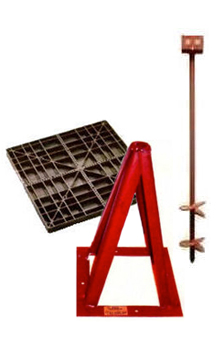
For instance, if you’re replacing skirting, don’t just consider the panels—remember extra screws, vent covers, and insulation.
Plan for Contingencies
Ask yourself whether you need specialized tools and if you have any budget room left in case you need to replace something or need additional supplies. Failing to outline these extra expenses may lead you to run out of money halfway through the project—delaying or even leaving it unfinished.
Having a detailed budget keeps you on track and prevents your DIY project from becoming a financial headache.
2. Skipping Permits and Codes
Even simple mobile home repairs may require permits, and some projects need official approvals from more than just your local government. Suppose you live in a mobile home community or have a Homeowners Association (HOA). In that case, you might need to get your plans signed off before you start renovating. In addition, local building codes can dictate how tasks like adding a new deck or replacing skirting should be done.
Get the Right Permissions
Make sure you follow state or county rules and regulations. If your project isn’t approved—or you don’t obtain the necessary permits—you could face hefty fines, be forced to undo all your hard work, or compromise the safety of your home.
Stay on Good Terms
By adhering to local codes, government requirements, and community guidelines, you avoid legal trouble, maintain safety standards, and keep your neighborhood happy.
3. Using Standard Home Materials
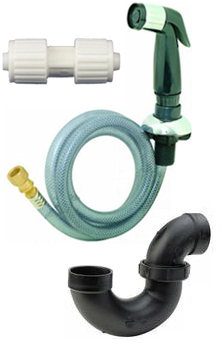
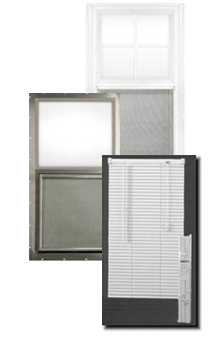
Mobile homes are built differently from traditional houses, requiring specific measurements and materials to ensure proper fit and compliance with HUD standards. While weight can sometimes be a concern, size is a more common issue. Standard doors, windows, and fixtures often don’t match the unique dimensions of mobile homes, leading to poor fits and unnecessary frustrations. Additionally, plumbing and HVAC systems in mobile homes differ from site-built homes, requiring specialized parts not typically found at local hardware stores.
For example, mobile home plumbing is usually located in the underbelly, with unique configurations that require compatible materials. To avoid costly mistakes, always choose mobile-home-specific products from trusted suppliers. This ensures your materials fit correctly, function efficiently, and comply with HUD requirements, keeping your home safe and comfortable.
4. Miscalculating Measurements
One of the quickest ways to derail a mobile home repair project is by miscalculating measurements. Mobile homes often have unique dimensions, which can make standard-sized materials a poor fit. A small measuring error can lead to big problems, such as purchasing materials that don’t work for your project.
Measure Twice, Cut Once
Whether you’re installing new windows, replacing a door, or adding skirting, always measure carefully—then measure again. Purchasing the wrong size not only delays your project but also wastes time returning items or ordering replacements. Additionally, incorrect measurements can lead to wasted money on products that can’t be used or returned.
Take the time to verify your measurements before committing to a purchase. This simple step saves you from unnecessary frustration, keeps your project on track, and ensures you only pay for what you need.
5. Ignoring the Manufacturer’s Guidelines
Your mobile home’s manufacturer provides detailed guidelines for a reason. These instructions outline the specific materials and methods used in your home’s construction, and following them is crucial to maintaining your home’s safety and integrity. Similarly, many replacement parts and materials come with warranties that may only remain valid if you adhere to specific installation or usage instructions.
Protect Your Investment
For example, replacing your roof without understanding the weight limits in your manual could result in sagging or structural damage. Additionally, incorrectly installing components like windows, doors, or plumbing fixtures may void warranties. If a part fails due to improper installation, you could be left footing the bill for a replacement.
Read the Fine Print
Always review warranty terms for any parts or materials you purchase. These terms often outline requirements for installation, maintenance, and usage. Following the guidelines provided by the manufacturer ensures not only the safety and longevity of your mobile home but also that you can take full advantage of any warranties if issues arise.
6. Taking on Complex Mobile Home Repairs Alone
Some mobile home repairs require specialized knowledge, like electrical rewiring, plumbing, or full roof replacements. Attempting these without the proper skills or tools can lead to costly mistakes—or even put your safety at risk.
Call in the Professionals
If a project feels overwhelming, don’t hesitate to hire a pro. Though it may add to your budget, expert help ensures the job is done correctly and safely, saving you time and money in the long run.
Know Your Limits
Remember, there’s a big difference between painting a wall and installing new wiring. When in doubt, get professional advice or assistance.
7. Taking on Too Many Projects at Once
DIY projects can be exciting and addicting—once you finish one, you might be tempted to jump into another. However, starting too many at once can result in half-finished rooms, wasted materials, and unnecessary stress.
If you try to redo your bathroom, kitchen, and skirting at the same time, you’re more likely to make a critical error on one or more of these tasks. Start slow. Complete one project before moving on to the next so every task gets the attention it deserves.
Mobile Home Repair Done Right: What’s Next?
Tackling DIY repairs on your mobile home isn’t just about fixing what’s broken—it’s about putting your personal touch on your space and making it truly yours. Sure, there’s a learning curve, but with the right preparation, you’ll turn those challenges into brag-worthy victories.
Just remember: budget first, measure twice, follow the rules, and don’t be afraid to call in the pros when things get tricky. There’s no shame in asking for help—it just means you’re committed to getting it right. And hey, once you’ve finished your project, you’ll have the satisfaction of knowing you did it yourself (or mostly yourself) and the confidence to take on the next one.
So roll up your sleeves, grab your tools, and make it happen. And when you’re ready to get started, head to Mobile Home Parts Store for materials that are as reliable as your determination. With the right supplies and a little grit, you can turn your mobile home into a masterpiece—one project at a time. You’ve got this!
Tags: mobile home remodel, mobile home remodeling, mobile home renovation, mobile home repair, Repair

