 SIGN-UP FOR THE MHPS NEWSLETTER!








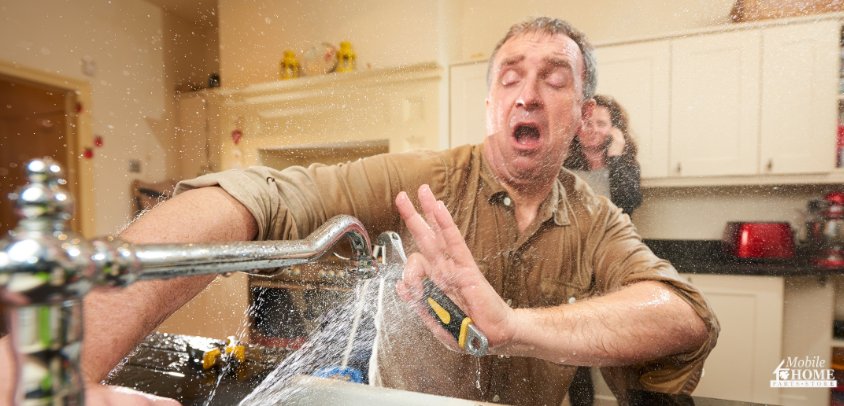
There’s nothing quite like the pride that comes with finishing a DIY project. When it goes well, you feel like a champ. But when it doesn’t? That crooked shelf, leaky faucet, or misaligned door is a constant reminder that something went sideways. More often than not, it isn’t your skill level causing the issue—it’s the habits that sneak in when we’re not paying attention. If you’ve been tackling mobile home repairs and finding yourself doing double the work, it might be time to break a few bad DIY habits. Let’s talk through some of the most common ones and how to replace them with better practices.
One Video Doesn’t Make You an Expert
Research is the foundation of every successful DIY project. Watching a single video or glancing at a blog post isn’t always enough—especially when you’re working with mobile home repairs. From plumbing to skirting to HVAC, mobile homes have unique requirements that vary by model and age. That one-size-fits-all solution? It usually doesn’t.
Skipping the manual or installation guide is another easy misstep. Even something that seems straightforward, like a replacement door or faucet, can have specs that differ from site-built homes. Taking time to read product descriptions and compatibility notes—especially for mobile home-rated items like combination doors or replacement water heaters—can save you from a mismatched mess.
Pro Tip: Before you grab a tool, ask yourself: Does this match my layout? Is this product designed for mobile home use?
That Half-Used Tube Isn’t Saving You Money
We’ve all done it—reached for the half-used tube of caulk in the toolbox to save a trip to the store. But using expired or partially-used materials can cause more harm than good. Old adhesives, dried-out sealants, and mismatched plumbing parts might work in a pinch, but they rarely last.
When it comes to mobile home repairs, using the right materials matters. That means fresh sealants like DAP, plumbing parts rated for mobile use, and electrical components like mobile home light switches designed for your home’s systems. Cutting corners here often leads to leaks, faulty wiring, or worse.
Caution: A five-minute shortcut with old caulk could turn into a five-hour water damage cleanup.
Measure Twice, Cut Once—Still Applies
Precision is everything, and nowhere is that more true than when measuring for mobile home repairs. Whether you’re installing a new outswing door, bathtub surround, or vinyl skirting, an inch off can mean a poor fit—or having to redo the whole thing.
Many older mobile homes also settle differently, causing floors or walls to shift. That can throw off your angles and levels, so relying on past measurements or assumptions is risky. Dry-fitting parts before final installation and writing down key dimensions in a dedicated notebook or phone note can save you from mistakes down the line.
The Instructions Are Not Optional
We get it—you’ve installed a faucet or wired a light before. However, each product is a little different, and installation instructions exist for a reason. Ignoring them, especially for mobile home-rated items, can lead to improper fits or even voided warranties.
Some mobile home products like range hoods or kitchen faucets have specific instructions due to space constraints or structural differences. Taking ten minutes to watch an installation video or read a PDF can save hours of frustration.
Pro Tip: Search for installation guides or product videos before you begin. Many manufacturers offer them for free online.
Know When to DIY—and When to D-I-Don’t
There’s no shame in being ambitious with your home projects. But there are some areas where calling a pro is the smartest move. If you’re dealing with propane lines, electrical wiring, or structural changes, it’s better to step back.
Trying to handle these jobs without proper knowledge can be dangerous—and costly. You might end up paying twice: once for your supplies and once to fix the mistake. For some products, like gas water heaters, electrical panels, or roof vents, you’ll even see a recommendation for professional installation. It’s there for a reason.
Friendly Reminder: Being a confident DIYer also means knowing your limits.
Paint Over Dust? That’s a No.
Prep work might not be glamorous, but it’s essential. Failing to clean, dry, or prime your surfaces before sealing, painting, or installing can ruin an otherwise solid project. Dust and moisture prevent paint from sticking. Skipping primer when replacing flooring or paneling means your finish won’t last.
For mobile home repairs involving flooring, paneling, or backsplash kits, rushing straight to the fun part means setting yourself up for peeling paint, lifting tiles, or warped surfaces.
Checklist Before You Start
- Turn off water and power if needed
- Clean and dry your work area
- Read product instructions
- Have all your materials ready
Fix the Habits, Not the Repairs
The reality is, most DIY mishaps don’t come from laziness. They come from repeatable, avoidable habits: skipping prep work, ignoring instructions, or using the wrong tools. The good news? These are all fixable.
When you take the time to research, measure, and invest in quality materials, your projects are smoother, safer, and more satisfying. And when you’re ready to stock up, make sure your supplies are made for the job.
Whether you’re swapping out a door, fixing a faucet, or sealing up for the season, quality matters. For tools, parts, and materials made specifically for mobile home repairs, visit Mobile Home Parts Store. Good habits start with the right equipment—and the right store to back you up.
Tags: diy, mobile home diy, mobile home remodel, mobile home remodeling, mobile home repair

