 SIGN-UP FOR THE MHPS NEWSLETTER!









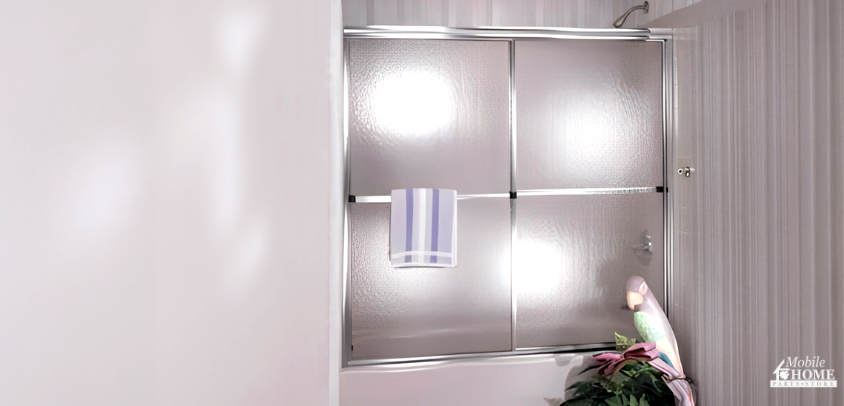
Upgrading your bathroom with a shower door is one of those projects that makes an instant difference. It gives your space a cleaner, more polished look, keeps water where it belongs, and can even make the room feel bigger and brighter.
While the thought of installing one might seem daunting, it’s more manageable than most people expect. With a clear plan, a few common tools, and the right steps, you can complete the job in a single afternoon. This guide walks you through the entire process from start to finish—so you can install your new shower door with confidence and enjoy the results for years to come.
Gather Your Tools and Get Set Up
Before you begin, take a few minutes to prep your workspace. Clear out the shower area, cover the base with a towel or drop cloth to prevent scratches, and lay out all the parts and tools you’ll need.
Most shower door kits include:
- Sill (bottom track)
- Header (top track)
- Wall jambs (side rails)
- Rollers and hanger brackets
- Towel-bar brackets or handles
- Screws and plastic wall anchors
You’ll also need these basic tools and supplies:
- Tape measure
- Level
- Drill/driver with bits (3/16″ masonry bit for tile)
- Hacksaw
- Phillips and flathead screwdrivers
- Pencil and masking tape
- Safety glasses
- Mildew-resistant silicone caulk
It also helps to glance through the instructions that came with your door. Some models use a “W” track with small drain holes, while others use a “Stay Clean” track with a snap-in guide. Knowing which one you have will help you follow the right steps as you go.
Step 1: Measure and Prepare the Sill
The sill is the piece that sits along the shower curb and supports everything else, so accuracy here makes all the difference.
Measure the width of the opening along the center of the curb from wall to wall. Cut the sill just slightly shorter than that measurement—about 1/4 inch less is typical—to give yourself room for an easy fit.
Dry-fit the sill on the curb to check your cut. On “W” track models, make sure the drain holes face inward. On “Stay Clean” versions, the raised lip should face outward. Once you’re happy with the fit, center the sill on the curb, tape it down to keep it from shifting, and mark its position with a pencil.
Getting this part level and centered now will make the rest of the install much easier.
Step 2: Snap in the Track Guide (Stay Clean Only)
If your shower door uses a Stay Clean track system, it will include a small plastic guide that snaps into the sill to keep the door panels aligned.
Find the center of the sill, mark it, and press the guide into place until it clicks in securely. This only takes a moment, but it prevents the panels from rubbing or drifting out of line. If your door has a “W” track instead, you can skip this step.
Step 3: Seal and Set the Sill
Flip the sill over and run a continuous bead of mildew-resistant caulk along the underside. Carefully set the sill back on the shower curb inside your pencil marks and tape it in place again so it doesn’t move as you keep working.
This hidden line of caulk blocks water from seeping underneath, helping prevent mold or water damage over time.
Step 4: Install the Wall Jambs
Next, position the wall jambs vertically at each end of the sill. Use your level to make sure they’re perfectly plumb, then mark the factory-drilled screw holes on the wall.
If you’re drilling into tile or masonry, use a 3/16″ masonry bit at low speed, insert the provided wall anchors, and drive the screws in gently. For softer wall materials, a standard bit will work, and anchors may not be needed.
Once both jambs are secured, check them again with your level to be sure they’re still perfectly vertical. Attach any bumpers or jamb guides included with your kit before moving on—these small pieces help the doors glide smoothly later.
Step 5: Cut and Install the Header
With the wall jambs in place, measure the distance between their top edges and cut the header about 1/16″ shorter than that dimension. This slight gap makes fitting it easier without forcing it into place.
Set the header on top of the wall jambs so it sits snugly and square. The frame is now taking shape, and you’re ready to prepare the panels.
Step 6: Attach the Rollers to the Panels
Lay both glass panels flat on a padded surface to protect them. Identify the side that should face out—the textured or patterned side usually goes toward the bathroom—and make sure each panel is oriented correctly.
Attach the rollers to the hanger brackets using the supplied screws, with the roller’s hex head facing the bracket. Leave the screws snug for now so you can fine-tune the roller height once the panels are hung.
Step 7: Hang and Align the Panels
Start with the outside panel. Lift it carefully, angle the top into the header track first, then lower the bottom into the sill or onto the Stay Clean guide. Slide it into the jamb on the wall opposite the shower head.
Step back and check its alignment against the jamb. If it’s tilted or dragging, loosen the roller screws slightly and slide the rollers up or down to correct the angle.
Once the outside panel glides smoothly, repeat the process with the inside panel. This one goes into the jamb on the shower-head side. Slide both panels back and forth to confirm they move freely and don’t rub. Small roller adjustments make a big difference here, so take your time.
Step 8: Install the Towel Bar and Pulls
If your door includes a towel bar, install it on the outside panel. Attach the brackets loosely, place the bar between them, then tighten the screws gently. Over-tightening can crack glass or strip the threads, so firm but careful is best.
Some kits also include finger pulls for the inside panel or decorative end caps for the towel bar. Install those last to complete the look.
Step 9: Caulk the Outside Edges
To keep water contained, seal the outer edges where the frame meets the walls and base. Run a smooth bead of silicone caulk along the outside of each wall jamb where it meets the wall, along the base of the sill, and in the corners where the sill meets the jambs.
Avoid caulking the inside seams—trapped water can’t drain and may cause leaks over time. Let the caulk cure for at least 24 hours before using the shower.
Troubleshooting and Care
If your shower door doesn’t slide smoothly, recheck that the sill is level and the wall jambs are plumb, then fine-tune the roller height. If you see small leaks near the corners, add a thin bead of caulk along the outside seams where the sill meets the jambs.
For long-term care, keep the tracks clean and dry, wipe down the glass after showers to reduce water spots, and inspect the exterior caulk lines once a year. A few simple habits will help keep your new door looking and working like new.
A Simple Upgrade That Transforms Your Bathroom
Installing a shower door might feel like a big undertaking at first, but once it’s in place, the difference is unmistakable. You’ve replaced a flimsy curtain with a solid, smooth-gliding barrier that keeps water contained, reduces cleanup, and gives your bathroom a clean, finished look.
With the right preparation and a step-by-step approach, it’s a project well within reach for most mobile home owners—and the payoff is something you’ll enjoy every single day.
When you’re ready to take on your own bathroom upgrade, explore our selection of Coastal shower doors at Mobile Home Parts Store. You’ll find durable, stylish options designed to fit mobile homes, along with the parts and guidance to help you get the job done right.For detailed measurements and part diagrams to support your project, you can also refer to Coastal’s official installation guide (PDF).
Tags: bathroom, bathtub door, diy, how to, mobile home diy, shower door

