 SIGN-UP FOR THE MHPS NEWSLETTER!









Most heating and cooling problems don’t show up all at once. They creep in. Airflow feels weaker than it used to. The system runs longer just to keep up. One room is always warmer or colder than the rest. When that starts happening, the question isn’t just what’s wrong, it’s whether this is something you can fix yourself or if it’s time to make the call and bring in a professional.
Some HVAC tasks really are within reach. They’re about basic upkeep: keeping air moving, parts clean, and the system from working harder than it needs to. That kind of routine HVAC maintenance can make a real difference in how your equipment performs and how long it lasts. But once you’re dealing with wiring, refrigerant, or anything that affects how the system burns fuel or cools the air, the risk goes up fast. One wrong move can turn a small issue into an expensive one, or even create a safety problem.
This guide walks through what HVAC maintenance is realistic for you to handle on your own and where it makes more sense to bring in a licensed technician before a minor issue grows into a bigger repair.
Know Your Mobile Home HVAC System
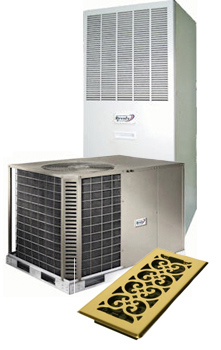
Most manufactured homes use one of a few common setups. Most often, it’s either a split system with an indoor furnace or air handler paired with an outdoor condenser, or a packaged unit located outside the home. No matter which style you have, comfort still comes back to the same basics: air has to move, components need to stay clean, and the controls have to do what they’re supposed to do.
Where mobile homes tend to differ is in how everything is arranged around that equipment. Ductwork often runs under the floor, which means a small loose connection or a crushed section can show up as a room that never quite feels right. Equipment is also commonly installed in tighter spaces, like closets, where airflow paths matter more than they might elsewhere. When return air or supply paths get blocked by storage, the system doesn’t fail outright—it just works harder than it was designed to.
That’s usually where the question of “what can I do myself?” starts to matter.
Where That Leaves DIY HVAC Maintenance
Before you start any DIY work, ask yourself two quick questions. Will this require opening sealed panels or touching internal wiring? Does it involve refrigerant, gas, or electrical components? If the answer is yes, that’s usually the point where the work crosses from routine upkeep into professional service.
DIY HVAC Maintenance You Can Handle Safely
The most useful things you can do are not complicated. They focus on airflow, cleanliness, and obvious checks. They also tend to pay off quickly because your system does not have to strain to do its job.
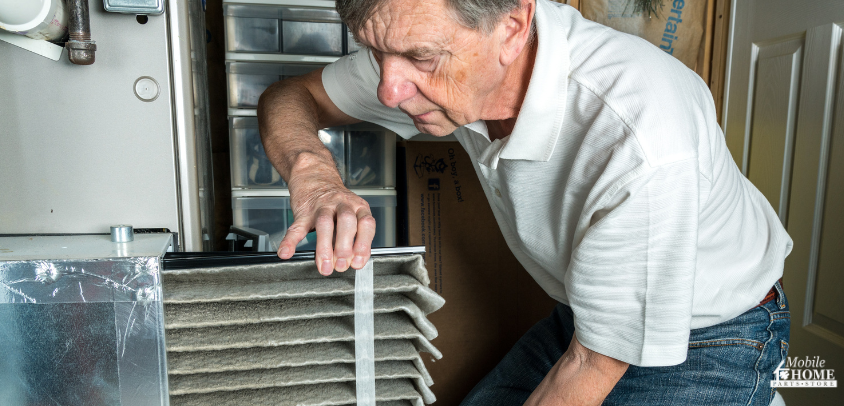
Replace or Clean the Air Filter
Start here. Always.
A clogged filter restricts airflow. When airflow drops, the system runs longer to reach the same temperature. That can mean higher energy use, more wear on the blower, and comfort that feels uneven.
Check the filter on a regular schedule and replace or clean it when it looks loaded with dust. Use the right size and make sure the airflow arrow points toward the furnace or air handler. If you have pets or your home picks up dust fast, the filter may need attention sooner than you’d expect.
A simple tip that helps is writing the date on the filter frame. It sounds small, but it keeps you from guessing later.
Clean and Unblock Vents and Registers
Supply vents and return grilles are part of the airflow loop. When they get blocked or packed with dust, the system has to push harder to move the same amount of air.
Vacuum the grilles with a brush attachment. Then look around each room. Make sure vents are open and not covered by rugs, furniture, or curtains. If one room is always off, check the vent first. It is an easy win when the problem is simply airflow.
Keep the Outdoor Unit Clear
Outdoor units need open space so air can move through the coil. Leaves, weeds, and grass clippings can build up over time and cut that airflow down.
Turn off power at the disconnect before cleaning. Clear debris from around the base. Then gently rinse the coil from the outside with a garden hose. Avoid high pressure, which can bend fins and restrict airflow.
If you do yard work nearby, keep an eye on the unit afterward. A quick cleanup now can prevent a bigger struggle later.
Check Visible Duct Connections
If you can safely access any duct connections, take a look for small gaps, loose joints, or seams that have pulled apart. Even minor leaks can waste a surprising amount of heated or cooled air before it reaches the rooms.
For small gaps, HVAC foil tape is usually the right choice. Cloth duct tape tends to dry out and peel away. If you see crushed ducting, major separation, missing insulation, or signs of moisture, stop there. Duct repairs under the home need to be done correctly so they do not create new comfort problems or moisture issues.
Do Basic Thermostat Checks
Thermostats can cause headaches when settings drift. Before you assume the system is failing, check a few simple things.
Replace the batteries if your thermostat uses them. Confirm the mode is correct for the season. Review schedule settings and make sure they match your routine. If the system still short cycles, ignores settings, or behaves unpredictably, that is a clue the issue is deeper than the thermostat.
Quick Checks That Support HVAC Maintenance Decisions
When something feels off, it helps to do a few safe checks before you call. Not because you should fix everything yourself, but because these checks can clarify what is happening.
Start with the basics you can see and control.
- Check the filter and confirm it is installed correctly
- Make sure supply vents and return grilles are open and unobstructed
- Check for a tripped breaker or a shut-off disconnect
- Look for standing water near the indoor equipment or drain area
- Pay attention to new sounds like buzzing, grinding, or rapid clicking
- Notice any unusual smells that last longer than a few minutes at startup
If the issue continues after those checks, take a photo of the model and serial number label. If the thermostat or unit shows an error code or blinking light pattern, write that down too. It’s useful information to have on hand if you end up calling for service.
HVAC Maintenance Tasks You Should Not DIY
There is a clear point where home upkeep turns into work that requires training, tools, and sometimes legal certification. Going past that line is where small problems can become expensive ones.
Refrigerant Work
Refrigerant is not a DIY task. Handling it requires certification and proper equipment. A system that is low on refrigerant usually has a leak. Adding more without finding and fixing the leak does not solve the root problem, and it can shorten the life of the compressor.
If airflow looks normal but cooling is still weak, it is time to call a technician rather than trying to connect gauges or add refrigerant.
Electrical Repairs and Internal Diagnostics
Inside your equipment are capacitors, control boards, contactors, and wiring. These parts can be hazardous to work on without training. Mistakes can lead to shock risk, damaged components, or fire hazards.
Repeated breaker trips, persistent burning smells, or a blower that will not run when the thermostat is calling are signs that electrical testing is needed.
Gas and Combustion Components
If your system uses gas heat, do not DIY anything involving burners, gas valves, ignition systems, or venting. Combustion problems can create carbon monoxide risk, and many issues are not obvious without proper instruments.
Deep Internal Cleaning
There is a big difference between rinsing an outdoor coil and cleaning internal components. Removing blower assemblies, opening sealed panels, and cleaning evaporator coils from the inside can go wrong quickly if parts are bent or sensors get disturbed. This is the kind of work that belongs in a professional tune-up.
When HVAC Maintenance Needs a Professional
Sometimes the smartest move is simply calling before the system gets worse. That does not mean you missed something. It means the issue is beyond basic airflow and cleaning.
Schedule service if you notice any of the following.
- Ice forming on refrigerant lines or on the indoor coil
- Breakers that trip more than once when the system starts
- Short cycling that does not improve after filter and vent checks
- Gas odor, ongoing burning smells, or soot-like staining
- Loud new mechanical noises such as grinding or squealing
- Room-to-room temperature differences that persist after airflow checks
Professional inspections are also worth doing before peak season. A technician can catch worn parts early, confirm safe operation, and keep efficiency from sliding. That is often cheaper than waiting for a no-heat or no-cool day.
A Simple Routine You Can Stick With
It’s easier to look after your system a little at a time than to wait until something feels way off. A simple routine keeps you familiar with how things look and sound, so changes are easier to spot.
Once a month:
- Check the air filter and replace or clean it if it looks dirty
- Walk through the home and make sure vents and returns aren’t blocked
- Listen when the system starts and stops for any new or unusual sounds
At the start of heating season and again before cooling season:
- Clear leaves, grass, and other debris from around the outdoor unit
- Rinse the outdoor coil gently with a garden hose
- Look over any accessible duct connections for obvious gaps, damage, or sagging
- Make sure the area around your equipment is open so air can move freely
If you notice the system running longer than it used to, or rooms drifting away from the thermostat setting, treat that as a sign to look a little closer or call for help. It’s simply a way to fold HVAC maintenance into the things you already keep an eye on around the home.
Conclusion
Taking care of a mobile home HVAC system is not about doing everything yourself. It is about handling the practical tasks that protect airflow and performance, and knowing where to stop so you do not create a bigger repair. Filters, vents, outdoor unit cleanup, and small visible duct leaks are all fair game. Refrigerant work, wiring, combustion systems, and deep internal cleaning belong with a trained technician.
When you need filters, registers, HVAC foil tape, or other everyday supplies for HVAC maintenance, Mobile Home Parts Store can help you find parts that fit manufactured-home systems and keep your equipment running the way it should.
Tags: electric furnace, heat pump, heating and cooling, heating ducts, HVAC

