 SIGN-UP FOR THE MHPS NEWSLETTER!






Quick Overview
Mobile home remodeling covers everything from a single room refresh to a whole-home renovation. The most impactful projects for manufactured homes focus on flooring, windows, doors, skirting, roofing, and bathroom and kitchen updates. Costs in 2026 range from a few hundred dollars for targeted repairs to $15,000 or more for a comprehensive remodel. Starting with the exterior and utility systems before cosmetic work avoids rework and protects the investment.
Summarize full blog with:
Most mobile home remodeling projects start the same way. Something stops working, or starts looking worse than it used to, and the owner decides to fix it right instead of patching it again. A door that no longer seals. Windows that sweat through winter. A bathroom that has not been updated in two decades. A roof that needs more than another coat.
Mobile home remodeling follows its own logic. The construction is different from a site-built house: factory-built chassis, manufactured wall panels, belly board under the floor, HUD code rather than local residential code. The parts that fit a manufactured home are not always the same ones at a standard hardware store. Understanding that upfront saves time and money on every project.
What follows covers the full scope of mobile home remodeling: where to start, what each major category involves, realistic 2026 costs, and where Mobile Home Parts Store carries the parts you will need to finish the work.
Jump to a section:
Where to Start: A Practical Remodeling Order
The most common mobile home remodeling mistake is starting with cosmetics. New paint, new flooring, new light fixtures, only to discover a moisture problem under the subfloor or a failing roof seam that needs attention before any of the finish work holds up.
A smarter sequence starts from the outside in and from the bottom up. That means checking the roof, the skirting, and the underbelly before anything inside. Water intrusion is the single biggest threat to a manufactured home, and most damage that looks cosmetic traces back to a moisture source that was never addressed.
Once the structure and envelope are confirmed sound, utility systems come next: HVAC, plumbing, and electrical. These are harder to reach after finish work is in place. Get them inspected and upgraded before putting new flooring or wall panels over them.
After structure and systems, work room by room. Bathroom and kitchen remodels tend to have the highest return on investment and the biggest impact on daily comfort. Windows and doors follow. Cosmetic work finishes the project: paint, trim, fixtures, skirting upgrades.
Exterior Remodeling: Roofing, Siding, and Skirting
Roofing
Mobile home roofs are typically metal or rubber/TPO, and the maintenance approach differs from standard shingle roofing. Most mobile home remodeling projects that involve the roof come down to one of three options: apply a coating to extend life, repair damaged sections, or re-roof entirely.
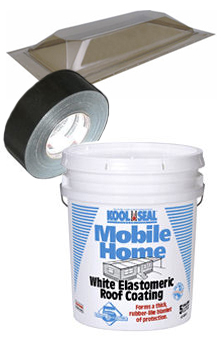
Elastomeric roof coatings are the most common maintenance-level intervention. A white elastomeric coating reflects heat, reduces energy costs, and reseals small cracks and seams. Aluminum roof coating is the other main option, better in areas with high UV exposure but less effective for energy efficiency. For seams and penetrations, self-adhesive products like Peel and Seal work alongside coating systems.
For roof repair and coating supplies, browse the Roofing Supplies department at Mobile Home Parts Store, including elastomeric coatings, aluminum coatings, and Peel and Seal membrane.
Siding and Building Materials
Vinyl lap siding is the most common exterior wall covering on manufactured homes built after the 1980s. When it warps, cracks, or fades badly, replacement is usually the right call over patch repair. Metal siding is found on older homes and can be coated or replaced depending on condition.
Hardware, tapes, and sealants also fall under the building materials category. Air sealing at exterior penetrations, around pipes, vents, and the band board, is one of the higher-return tasks in a mobile home renovation project. Building materials including vinyl siding, metal siding, ventilation products, and sealants are available here.
Skirting
Skirting does more than improve curb appeal. It protects the crawl space from cold air intrusion, reduces heat loss from the belly board and underbelly plumbing, and helps control moisture under the home. Old or deteriorated skirting is one of the most visible signs that a manufactured home needs attention.
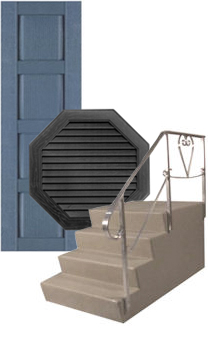
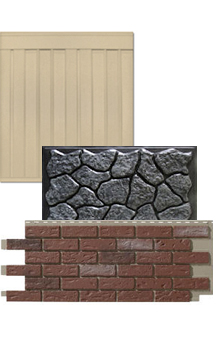
Mobile home skirting comes in vinyl, brick-look, stone-look, and rock varieties, all designed to match the scale and profile of a manufactured home. Mobile Home Parts Store carries vinyl, Novik brick, Novik stone, and Reil Rock skirting options, along with skirting accessories. For steps, shutters, and awnings as part of a broader exterior mobile home remodeling project, see the Exterior Improvements department.
Windows and Doors
Windows
Manufactured home windows are sized differently from standard residential windows. They are built to the HUD code specs used at the factory, which means they use different rough opening dimensions, different frame profiles, and different installation methods. Standard replacement windows from a home improvement store rarely fit without modifications that create more problems than they solve.
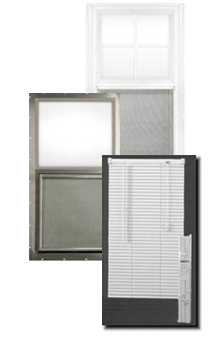
Kinro vinyl windows are the primary replacement option for most manufactured homes. They come in standard manufactured-home sizing, install correctly in existing openings, and are available in both standard and Low-E glass configurations. Low-E glass cuts heating and cooling costs noticeably in climates with significant seasonal swings.
Windows for manufactured homes, including Kinro vinyl, Low-E vinyl, and aluminum options, are available in the Windows department. Window hardware and interior storm windows are also stocked for homes where full replacement is not yet the right move.
Doors
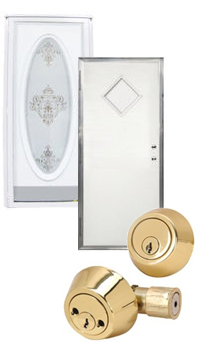
The same sizing logic applies to exterior doors. Manufactured home exterior doors are typically 32 x 76 inches, narrower and shorter than standard residential doors. Installing a site-built door in a manufactured home opening usually requires frame modifications that affect structural integrity.
MHPS carries combination exterior doors, out-swing exterior doors, aluminum storm doors, and French and patio exterior doors, all sized for manufactured homes. Interior doors and access doors (for the crawl space and belly area) are also available. Door hardware, both exterior and interior, rounds out the category.
Bathroom Remodeling
Bathroom mobile home renovation projects range from a tub-to-shower conversion to a full gut and rebuild. The fixture footprints in manufactured home bathrooms are often different from standard residential sizes, so sourcing parts made for manufactured homes avoids the fitting issues that derail projects.
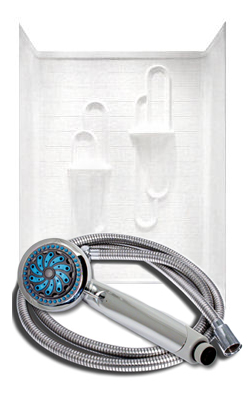
A full bathroom remodel in a manufactured home typically addresses: the tub or shower unit, surround walls, fixtures, vanity sink and faucet, toilet, and hardware. Partial updates are also common as phase-one work before a larger renovation: replacing just the surround, swapping the shower head, or updating faucets.
Walk-in showers are a popular upgrade in older manufactured homes that came with a standard tub-shower combo. Bathtub and shower wall surrounds are the most practical way to refresh a dated bathroom without full tile installation, which requires substrate work that adds complexity in a manufactured home setting.
The Bath department covers bathtubs, walk-in showers, wall surrounds, shower doors, sinks, faucets, shower heads, drains, hardware, and toilets for manufactured home applications.
Kitchen Remodeling
Kitchen remodeling in a manufactured home is one of the highest-impact projects in terms of daily use and perceived value. Most mobile home kitchens from the 1980s and 1990s have dated appliances, worn cabinet hardware, and aging faucets and sinks. All of those can be addressed in stages.
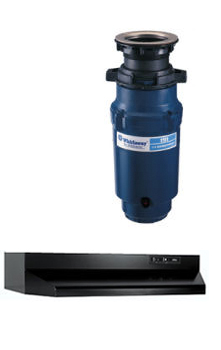
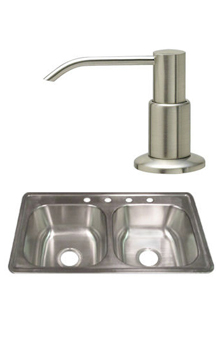
Full cabinet replacement is not something MHPS sells, but the parts that make a kitchen feel current are all here: kitchen appliances, cabinet hardware, kitchen sinks and sink accessories, and kitchen faucets. Replacing a worn faucet and adding updated cabinet pulls is often the fastest way to modernize a manufactured home kitchen without a major renovation budget.
HVAC, Electrical, and Plumbing
Heating and Air
HVAC systems in manufactured homes use components that differ from site-built residential systems in important ways. The ductwork runs through the belly board area rather than an attic or basement. The air handler is often in a closet-sized utility space. And the floor registers that deliver conditioned air are sized to the factory openings.
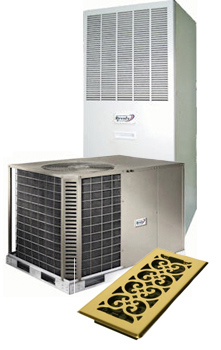
For manufactured home remodeling that includes HVAC work, key parts include floor registers and grilles, evaporator A-coils, and Revolv heat pumps. Heating and air parts for manufactured homes are in the Heating and Air department.
Electrical
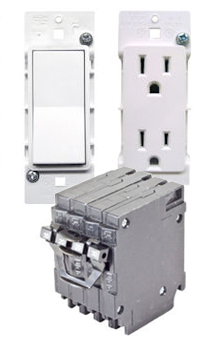
Electrical updates in a manufactured home remodeling project most often involve replacing outdated switches and receptacles, upgrading lighting fixtures, or adding exhaust ventilation in bathrooms and kitchens. Exhaust fans matter more in a manufactured home than in a site-built house because the tighter construction and belly board system make moisture management critical.
Plumbing
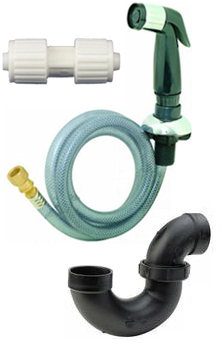
Plumbing in manufactured homes runs under the floor through the belly board, which makes access different from site-built homes. For renovation work that involves plumbing, using the correct fittings matters. Manufactured homes use specific fitting types (Flair-It, Genova, Sea Tech, push-fit brass) that connect correctly to the plastic supply lines common in the factory construction.
Plumbing supplies, fittings, faucets, and freeze protection are in the Plumbing department. For bathroom-specific plumbing like faucets and shower fixtures, those are also available in the Bath department.
Flooring
Flooring is one of the most visible elements of any mobile home remodeling project and one of the most frequently asked-about categories. Manufactured home floors are built differently from site-built construction. They use particle board or OSB subfloor panels supported by the chassis rails, with the belly board system below. Soft spots in the floor usually mean moisture has reached the subfloor over time.
Before installing any new flooring surface, whether luxury vinyl plank, laminate, or sheet vinyl, check the subfloor for soft spots, damage, or moisture. New flooring installed over a failing subfloor will not last. The subfloor repair work comes first.
Flooring surface materials themselves are available through general building supply sources. MHPS does not stock flooring. But the building materials, tapes, and sealants used in subfloor work are available here. Addressing moisture at its source, through proper skirting, belly board repair, and vapor management, is the foundation every flooring project depends on.
2026 Mobile Home Remodeling Costs: What to Expect
Costs for mobile home remodeling in 2026 vary widely depending on scope, whether work is done by the homeowner or a contractor, and how much material replacement is involved versus repair. Below are realistic ranges for common project categories.
| Project | DIY Range | Pro Range | Notes |
|---|---|---|---|
| Roof coating (single-wide) | $300–$600 | $1,200–$2,500 | Elastomeric or aluminum. Double-wide runs higher |
| Window replacement (per window) | $150–$350 | $300–$600 | Manufactured-home-specific sizing required |
| Exterior door replacement | $200–$500 | $500–$1,200 | Combination doors (door + storm) cost more |
| Skirting (single-wide) | $600–$1,500 | $1,500–$3,500 | Vinyl is lowest cost. Brick and stone look run higher |
| Bathroom remodel (full) | $1,500–$4,000 | $4,000–$10,000 | Tub, surround, fixtures, toilet, vanity |
| Kitchen update (partial) | $300–$1,500 | $1,500–$5,000 | Faucet, sink, hardware, appliances |
| Flooring (single room) | $200–$800 | $600–$2,000 | Does not include subfloor repair if needed |
| Full remodel (whole-home) | $8,000–$20,000 | $20,000–$50,000+ | Wide range depending on scope and home size |
These are general estimates. The age of the home, the extent of any deferred maintenance, and local labor rates all shift the final number. A manufactured home that has been well-maintained requires less structural correction before cosmetic work begins. One with years of deferred maintenance often has hidden repair costs that surface once the project starts.
The Right Order Makes the Budget Go Further
The practical lesson from completed manufactured home remodeling projects is that sequence matters. Cosmetic upgrades over an unaddressed moisture problem or a failing roof will cost more in the long run than doing the work in the right order from the start.
Start with what protects the home: roof, skirting, windows, doors, underbelly. Follow with systems: plumbing, HVAC, electrical. Then finish with what you see every day: flooring, fixtures, paint, hardware.
Mobile Home Parts Store carries the parts that matter at every stage of mobile home remodeling, from roof coatings and skirting to bath and kitchen fixtures to doors and windows sized for manufactured homes. If you are working through a project and need to confirm what fits, the parts departments above are a good starting point.

