 SIGN-UP FOR THE MHPS NEWSLETTER!







Quick Overview
Mobile home sealant types are not interchangeable. Silicone handles windows and wet areas. Butyl rubber holds up on roof seams and metal. Acrylic latex is the paintable choice for interior trim. Lap sealant is built specifically for EPDM and TPO roofing. Matching the sealant to the surface and the job is what makes a repair last more than one season.
Summarize full blog with:
Grab the wrong tube of caulk and a repair that should have lasted years can fail in a single season. That is the real story behind most mobile home sealant types confusion. The tubes at the hardware store look interchangeable. They are not. Each one is built for a different surface, a different amount of movement, and a different amount of weather exposure.
Understanding mobile home sealant types before you start a project saves you a return trip and a repair that has to be redone. This guide breaks down the main sealant categories, where each one belongs on a mobile home, and how to avoid the mismatch that causes so many repeat repairs.
Why Mobile Home Sealant Types Are Not One-Size-Fits-All
Manufactured homes move more than site-built homes. Thinner wall sections, factory-assembled seams, and a chassis that responds to temperature swings all put more stress on a sealant bead than a poured foundation or brick exterior ever would. A product that holds up fine on a concrete patio can crack, shrink, or pull away within a year on a mobile home roof seam or skirting line.
That is why choosing among mobile home sealant types is not just a matter of picking whatever is on sale. Flexibility, UV resistance, paintability, and bond strength to specific materials, metal, vinyl, rubber roofing, glass, all vary by product family. Getting the match right the first time is cheaper than fixing a failed seal twice.
The Main Mobile Home Sealant Types
Silicone Sealant
Silicone is the workhorse for anywhere water sits or pressure builds. It stays flexible across a wide temperature range, bonds well to glass and metal, and holds up to sustained moisture better than almost anything else on this list. Windows, exterior door frames, and any spot that takes direct rain are the right calls for silicone.
The tradeoff is that silicone does not accept paint. Once it cures, it stays a slightly glossy bead. If the sealed area needs to blend into painted trim, silicone is the wrong pick even though it performs well functionally.
Acrylic Latex Caulk
Acrylic latex is the easiest of the mobile home sealant types to work with. It goes on smooth, cleans up with water while wet, and takes paint within an hour or two of application. That makes it the right choice for interior trim, baseboards, and ceiling seams where appearance matters more than moisture resistance.
What acrylic latex will not do is hold up to standing water or constant exterior exposure. Use it inside, or in covered exterior spots that stay dry, not on a roof seam or a skirting line that takes direct weather.
Butyl Rubber Sealant
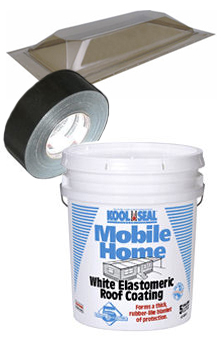
Butyl rubber is the go-to for roof and exterior seam work. It stays flexible even in cold weather, resists UV breakdown better than acrylic products, and bonds well to metal, EPDM rubber roofing, and vinyl. Roof vents, skylight flashing, and metal roof seams are classic butyl rubber jobs.
Butyl rubber sealant is not paintable and tends to stay slightly tacky, which is normal and part of how it keeps its seal over time. Do not mistake that tackiness for a bad application.
Lap Sealant
Lap sealant is built specifically for EPDM and TPO rubber roofing systems, the kind found on many mobile home roofs. It stays permanently flexible and is designed to bond to rubber roofing membrane without breaking down the material underneath it the way some general-purpose sealants can. Use lap sealant for roof seams, penetrations, and the lap edges where sections of rubber roofing overlap.
If your mobile home has a rubber roof, lap sealant should be the first product you reach for on any seam repair, not a general exterior caulk.
Self-Adhesive Flashing (Peel and Seal)
For larger roof seam repairs or sections where a bead of sealant alone will not hold, self-adhesive flashing products like Peel and Seal give you a wider, more durable barrier. No torch or specialized equipment is required. These products work alongside butyl and lap sealant rather than replacing them, typically for wider gaps or seams that see repeated stress.
Matching Sealant Type to the Job
The table below lines up each of the main mobile home sealant types against the situations they handle best. Use it as a quick reference before you start a repair.
| Sealant Type | Best For | Paintable | Notes |
|---|---|---|---|
| Silicone | Windows, exterior doors, wet areas | No | Flexible, waterproof, bonds to glass and metal |
| Acrylic Latex | Interior trim, wall seams, baseboards | Yes | Easy cleanup, not for sustained moisture |
| Butyl Rubber | Roof vents, skylights, metal seams, skirting | No | Flexible in cold, UV-resistant |
| Lap Sealant | EPDM/TPO roof seams and penetrations | No | Built for rubber roofing membrane specifically |
| Self-Adhesive Flashing | Wider roof seams, high-stress repair areas | No | Pairs with butyl or lap sealant |
Application Tips That Make Any of These Last Longer
Surface prep matters more than the product you pick. Old sealant residue, dirt, or moisture trapped under a new bead will cause a failure no matter which of the mobile home sealant types you use. Clean the surface down to bare material, let it dry fully, and only then apply the new bead.
Tool the bead after applying it. A finger, a caulk tool, or the back of a spoon smooths the sealant into full contact with both surfaces instead of sitting on top as a raised ridge that catches wind and debris. A smooth, slightly concave bead sheds water better and lasts longer.
Watch the weather window. Most sealants need a dry surface and a moderate temperature range to cure properly. Applying butyl or lap sealant right before a rainstorm, or in freezing temperatures, sets the repair up to fail before it even finishes curing.
When to Reapply or Replace Sealant
Cracking, shrinking, or pulling away from the surface are the clearest signs a sealant has reached the end of its life. Discoloration alone is not always a problem, but a chalky or brittle texture usually means the flexibility is gone and water can work its way underneath. Check high-exposure areas, roof seams, skirting lines, and window perimeters, at least once a year, and sooner after a hard freeze or a stretch of intense sun.
For a broader look at where sealants fit into overall mobile home weatherproofing, including skirting lines and moisture control under the home, see our guide to why sealants matter for your mobile home. If the repair in question is on the roof, our mobile home roof coating guide covers how sealant work fits alongside a coating project. Mobile Home Parts Store carries the full lineup of sealants and tapes and the Peel and Seal flashing products mentioned above.
Mobile Home Sealant Types FAQs
What sealant should I use on a mobile home roof?
For a rubber (EPDM or TPO) roof, use lap sealant on seams and penetrations. For a metal roof, butyl rubber sealant is the better match. Self-adhesive flashing can reinforce either type on wider or high-stress seams.
Can I use silicone on a mobile home roof instead of lap sealant?
Silicone is not the right choice for rubber roofing. It can interfere with future repairs and does not bond to EPDM or TPO membrane the way lap sealant does. Save silicone for windows, exterior doors, and other wet-area spots away from the roof membrane itself.
Which mobile home sealant types are paintable?
Acrylic latex caulk is the only type on this list that accepts paint well. Silicone, butyl rubber, and lap sealant all stay flexible by design, which means paint will not bond to them properly.
How long do mobile home sealants last before they need to be reapplied?
Most exterior sealants last two to five years depending on sun exposure and material. High-UV areas and roof seams tend to need attention sooner. Check annually and watch for cracking, shrinking, or a chalky texture.
Do I need to remove old sealant before applying a new type?
Yes. Old sealant residue keeps a new bead from bonding fully to the surface, which is one of the most common reasons a fresh repair fails early. Scrape or use a sealant remover to get back to bare material before applying anything new.
Picking the right one from the different mobile home sealant types is most of the battle. Once you know which product belongs where, the application itself is a straightforward afternoon project. Browse Mobile Home Parts Store’s full sealant and tape selection to find the right product for your next repair.

